Understanding Your Homes Water Systems From Ground to Drain
Your home’s water system is a layered network that operates both above and below ground, quietly supporting nearly every daily activity. From the moment water is sourced to the point it exits your property, multiple systems work in coordination to ensure reliability and safety. Many homeowners only think about these systems when something goes wrong, but a proactive understanding can prevent costly disruptions. Whether you rely on a municipal connection or a private well, each component plays a critical role in performance. Taking the time to understand how everything connects puts you in a better position to maintain efficiency and avoid emergencies.
Water is not just a convenience; it is a core utility that affects health, comfort, and property value. When systems are neglected, small inefficiencies can escalate into expensive repairs or even structural damage. By exploring how water moves through your home, you gain insight into potential weak points and maintenance opportunities. This knowledge also helps you communicate more effectively with professionals when service is needed. Ultimately, a well-informed homeowner is better equipped to protect both their investment and their daily quality of life.
How Your Home Gets Its Water
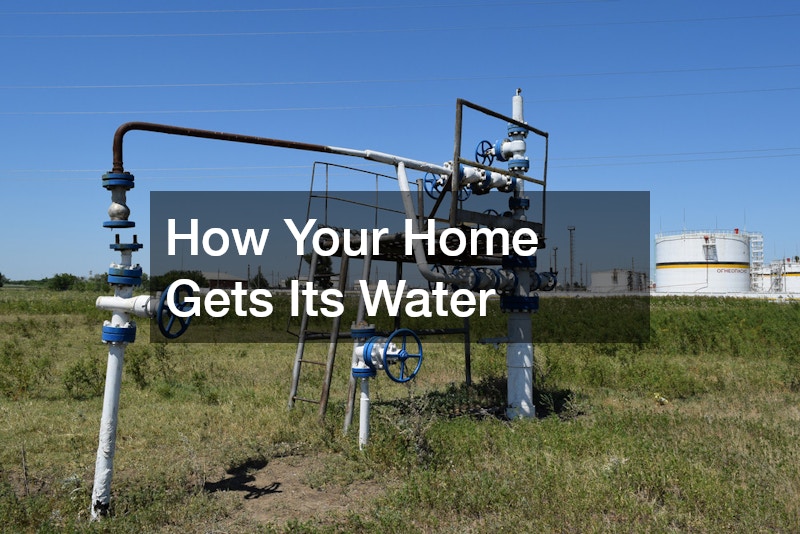
Homes receive water either from a municipal supply or a private well, and each system operates differently. Municipal water is treated at a centralized facility before being distributed through a network of underground pipes. This process ensures consistent quality but leaves homeowners dependent on local infrastructure. In contrast, private wells draw water directly from underground aquifers located on or near your property. This independence can be beneficial, but it also places more responsibility on the homeowner.
For properties with wells, the process begins with identifying a reliable groundwater source. This is where professional water well drillers come into play, using geological data and specialized equipment to locate and access water reserves. Once a suitable site is found, drilling creates a pathway for water to reach the surface. The well is then lined and sealed to prevent contamination from surrounding soil and debris. This initial setup is critical for long-term water quality and system durability.
After water is sourced, it travels through pipes and equipment designed to regulate flow and pressure. Depending on the system, additional filtration or treatment may occur before water reaches your home. Even in municipal systems, water often passes through local plumbing infrastructure that can affect its quality. Understanding this journey highlights the importance of both source integrity and internal system maintenance. Each stage contributes to the overall reliability of your water supply.
The Anatomy of a Residential Well
A residential well system is made up of several components that must work together seamlessly. The well casing provides structural support and prevents contaminants from entering the water supply. Inside the casing, a pump is responsible for drawing water up from the aquifer. The surrounding geology, including the type of soil and rock, influences both water availability and quality. These factors determine how efficiently your system operates over time.
Well depth is a major consideration, as deeper wells often access more stable and cleaner water sources. However, increased depth also requires more energy to pump water to the surface. The type of aquifer—whether confined or unconfined—affects how water replenishes and how vulnerable it is to contamination. Regular inspections can identify changes in performance that may signal underlying issues. Staying attentive to these details helps maintain a consistent water supply.
Over time, wear and environmental conditions can impact the functionality of your well. Sediment buildup, corrosion, and mechanical wear are common challenges that can reduce efficiency. Addressing these issues promptly through services like well pump repair helps prevent more serious failures. Early intervention not only restores performance but also extends the lifespan of your equipment. A well-maintained system is far less likely to experience unexpected breakdowns.
Keeping Your Well System Running Smoothly
The pump serves as the engine of your well system, making its reliability essential. When functioning properly, it delivers a steady flow of water to your home without interruption. Problems can arise from electrical malfunctions, worn components, or blockages caused by sediment. These issues often develop gradually, making regular monitoring important. Catching small problems early can prevent a complete system failure.
Routine maintenance includes checking electrical connections, inspecting mechanical parts, and ensuring proper water flow. Homeowners can handle some basic troubleshooting, such as resetting breakers or checking for visible leaks. However, more complex issues require professional expertise to diagnose and resolve. Attempting major repairs without the proper knowledge can lead to further damage. Knowing when to call a professional is key to protecting your system.
Water Pressure
Water pressure is one of the most noticeable aspects of your home’s water system. It affects everything from how quickly your sink fills to how comfortable your shower feels. The pressure tank plays a central role in maintaining consistent pressure throughout your home. By storing water and regulating flow, it reduces the workload on your pump. This helps extend the life of your equipment while ensuring steady performance.
Pressure is regulated through a combination of mechanical and electrical controls. When pressure drops below a certain level, the pump activates to replenish the system. Once the desired pressure is reached, the pump shuts off to prevent overuse. This cycle keeps water flowing smoothly without unnecessary strain on the system. Proper calibration is essential to maintaining balance and efficiency.
Is Your Water Actually Safe to Drink?
Water quality is a critical concern for any homeowner, regardless of the source. Even treated municipal water can pick up contaminants as it travels through aging infrastructure. Well water, while often fresh, is more susceptible to environmental factors. Regular testing is the only way to accurately assess the safety of your water. These tests can detect bacteria, chemicals, and mineral imbalances that may affect health.
Understanding test results is essential for determining the next steps. Some contaminants require simple filtration, while others demand more advanced treatment solutions. Many homeowners seek ways to get clean water that meets both safety standards and personal preferences. Addressing water quality issues not only protects your health but also improves taste and usability. Clean water is a foundational element of a healthy home.
Filtration, Softening, and Professional Treatment Solutions
Water treatment systems are designed to address specific issues within your water supply. Filtration systems remove particles and impurities, improving clarity and taste. Water softeners target mineral content that can cause scaling and reduce appliance efficiency. For more complex problems, a comprehensive water treatment service may be necessary. These solutions are tailored to your specific water quality needs.
Choosing the right system depends on the results of your water tests. Different contaminants require different approaches, making professional guidance valuable. Installation and maintenance are typically handled by trained technicians who understand system requirements. Proper setup ensures optimal performance and long-term reliability. Investing in the right solution can significantly improve your water quality.
Heating and Cooling
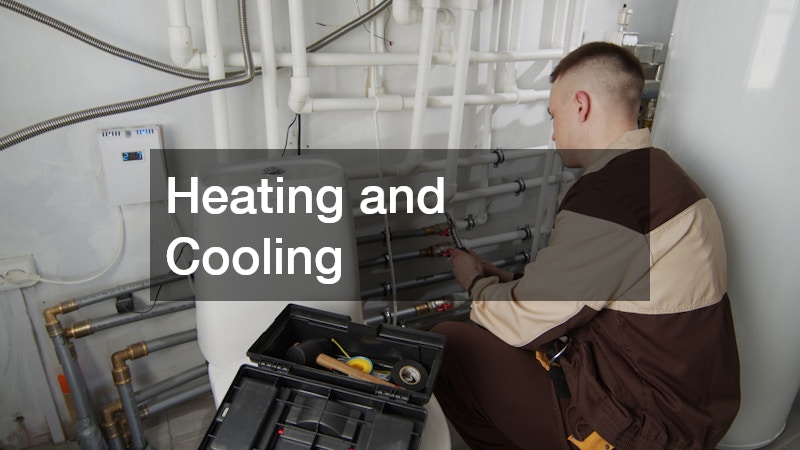
Some homes take advantage of the earth’s natural temperature stability to regulate indoor climates. Geothermal systems use underground loops to transfer heat, providing efficient heating and cooling year-round. These systems rely on consistent ground temperatures to maintain performance. As a result, they are often more energy-efficient than traditional HVAC systems. This makes them an attractive option for long-term savings.
Installation involves placing a network of pipes beneath the surface of your property. These pipes circulate fluid that absorbs and releases heat as needed. While the upfront cost can be significant, the long-term benefits often outweigh the initial investment. Reduced energy consumption leads to lower utility bills over time. Additionally, geothermal systems have a smaller environmental footprint.
Maintenance requirements for these systems are relatively low compared to traditional HVAC units. With fewer exposed components, there is less risk of wear and damage. Regular inspections ensure that the system continues to operate efficiently. Over time, the durability and efficiency of geothermal technology make it a smart choice for many homeowners. It represents a forward-thinking approach to energy use.
Your Indoor Plumbing
Your home’s plumbing system is an intricate network that delivers water and removes waste. Supply lines bring fresh water into your home, while drain lines carry wastewater away. These systems are designed to operate seamlessly, but problems can arise over time. Leaks, clogs, and corrosion are among the most common issues homeowners face. When they occur, prompt plumbing repair is essential to prevent further damage.
Routine maintenance can help identify potential problems before they become serious. Checking for leaks, monitoring water pressure, and inspecting visible pipes are simple but effective practices. Professional inspections provide a more thorough evaluation of your system. Addressing minor issues early can save significant time and money. Preventive care is always more efficient than reactive repairs.
Neglecting plumbing maintenance can lead to extensive damage and costly repairs. Water leaks can compromise structural integrity and promote mold growth. Clogs can cause backups that disrupt daily life. By staying proactive, you reduce the likelihood of these issues. A well-maintained plumbing system supports the overall functionality of your home.
Septic Systems: What Happens After the Water Leaves
Septic systems manage wastewater for homes that are not connected to municipal sewer lines. These systems separate solids from liquids and gradually filter wastewater back into the soil. Proper operation depends on regular maintenance and responsible usage. Working with a professional septic company ensures that your system remains efficient and compliant with regulations. Routine inspections and pumping are essential for long-term performance.
The septic tank is the core component, where solids settle and begin to break down. The remaining liquid flows into a drain field, where it is naturally filtered by the soil. Over time, sludge buildup can reduce efficiency and lead to backups. Regular pumping prevents this buildup and maintains proper function. Neglecting maintenance can result in costly and hazardous failures.
Homeowners play a role in maintaining their septic systems by managing what goes down the drain. Avoiding harsh chemicals and non-biodegradable materials helps preserve system health. Monitoring water usage also prevents overloading the system. By combining responsible habits with professional care, you can extend the life of your septic system. Proper maintenance protects both your home and the environment.
Drainage, Grease, and the Systems That Protect Your Property
Effective drainage is essential for protecting your home from water damage. Both interior and exterior systems work together to direct water away from your property. Grease buildup in kitchen drains is a common issue that can lead to blockages and reduced flow. In some cases, professional grease trap service is required to manage waste and maintain proper drainage. Addressing these issues early prevents more serious problems.
Exterior drainage systems help control water flow around your home’s foundation. Proper grading, gutters, and drainage pipes work together to prevent water accumulation. Without these systems, excess moisture can compromise structural integrity. Regular maintenance ensures that drainage systems continue to function effectively. Protecting your foundation is a critical aspect of homeownership.
A comprehensive approach to drainage considers both immediate and long-term needs. Preventive measures reduce the risk of costly repairs and structural damage. Professional services can assess your system and recommend improvements. By staying proactive, you maintain a safe and stable environment. Effective drainage is a key component of a well-maintained home.
Your home’s water system is a connected network that requires coordinated maintenance. From sourcing water to managing wastewater, each component plays a role in overall performance. Professional drain and plumbing services can help ensure that every part of the system operates efficiently. Regular inspections and timely repairs keep everything functioning as intended. Viewing your system as a whole allows for more effective management.
Understanding how these systems interact helps you make informed decisions about upgrades and maintenance. Improvements in one area can positively impact the entire system. This holistic approach reduces the likelihood of unexpected issues. It also enhances the overall efficiency of your home. A connected perspective leads to better long-term outcomes.
By investing in regular care and professional support, you can maintain a reliable water system. This not only improves daily comfort but also protects your property value. Proactive maintenance minimizes disruptions and extends the lifespan of your infrastructure. A well-managed system is an essential part of a functional home. Taking a comprehensive approach ensures lasting performance.
Your home’s water system is a complex but manageable network when you understand its components and functions. From the initial sourcing of water to the final stages of drainage, each step requires attention and care. Regular maintenance, timely repairs, and informed decisions all contribute to long-term reliability. By staying proactive, you can prevent costly issues and maintain a consistent water supply. Knowledge is your most valuable tool in protecting your home.
A well-maintained system supports not only convenience but also health and safety. Clean water, efficient plumbing, and effective drainage are essential for everyday living. Investing in these systems ensures that your home remains comfortable and functional. Over time, this proactive approach pays off in reduced costs and improved performance. Taking control of your water systems is a smart and necessary step for any homeowner.