
Easy Property Upgrades That Boost Home Value Naturally
A home does not need a luxury remodel or a six-figure renovation budget to become more attractive to buyers. In many cases, the upgrades that make the strongest impression are the ones that improve comfort, functionality, cleanliness, and long-term maintenance. Buyers notice when a property feels cared for. They notice when outdoor spaces feel welcoming, when cooling systems work efficiently, and when common problems have already been addressed before a showing ever takes place.
The good news is that most of these upgrades are realistic for ordinary homeowners. Many can be completed gradually over several seasons rather than all at once. The key is knowing which improvements actually matter and how to prioritize them wisely.
Creating a Stronger First Impression Outside
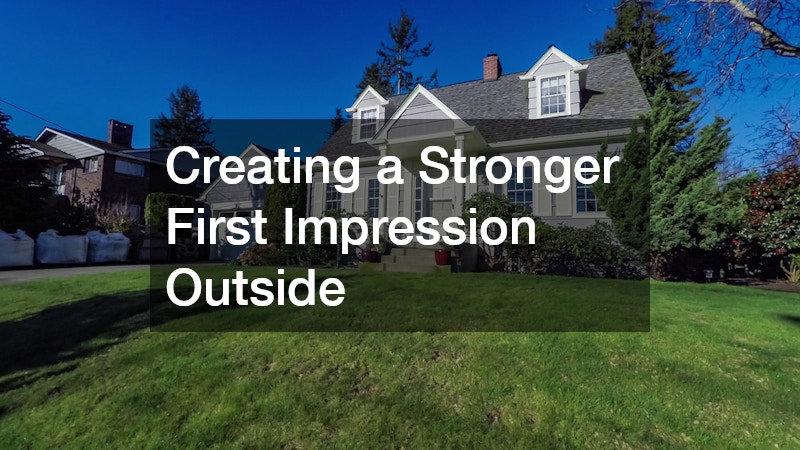
The exterior of a home quietly shapes buyer expectations before they even walk through the front door. A property that looks organized and inviting immediately feels more valuable, even if the interior upgrades are modest. This is why curb appeal remains one of the highest-return improvements homeowners can make.
One of the easiest ways to improve the appearance of a property is by simplifying the landscape. Overgrown shrubs, uneven edging, and patchy mulch can make even a beautiful home look neglected. Instead of adding more decorative elements, focus first on removing visual clutter. Trim bushes away from windows, clear dead branches, and create clean borders around pathways and flower beds.
In neighborhoods where outdoor presentation matters, even a well-maintained flagpole can become an attractive visual feature. When properly installed and positioned, it adds vertical structure and gives the property a polished appearance. However, a faded flag, chipped paint, or leaning structure creates the opposite effect, so maintenance matters just as much as installation.
Another overlooked issue is waste management around the property. Overflowing bins, scattered debris, or neglected side yards create an impression of disorder that buyers notice immediately. Consistent trash pick up helps maintain cleaner exterior spaces while also reducing odors and pest activity around the home.
A homeowner preparing to sell might spend thousands repainting interior walls while ignoring the overflowing storage area beside the garage. Yet many buyers will remember the messy side yard more vividly than the fresh paint. Exterior organization sends a psychological signal that the entire property has been cared for properly.
Small improvements that strengthen curb appeal include:
- Replacing worn mailbox numbers
- Power washing sidewalks and driveways
- Adding low-maintenance native plants
- Updating outdoor lighting fixtures
- Repairing cracked walkways
- Painting faded trim or shutters
These upgrades are relatively inexpensive, but together they create a stronger emotional response from visitors.
Improving Comfort Throughout the Home
People do not simply buy square footage anymore. They buy comfort. A home that feels cool during summer, well-ventilated year-round, and energy efficient often feels more valuable than a larger home with outdated systems.
Temperature control plays a major role in this perception. Even subtle issues like inconsistent airflow between rooms or excessive humidity can make buyers uneasy during walkthroughs. Many homeowners adapt to these annoyances over time and stop noticing them, but new visitors notice immediately.
Working with an experienced air conditioning contractor can help identify efficiency problems that quietly reduce both comfort and property value. Older systems often consume more energy while cooling less effectively. Sometimes the solution is not a full replacement but targeted improvements such as updated thermostats, duct sealing, or improved insulation around attic spaces.
Homeowners looking for practical ways to improve comfort should start by examining areas where conditioned air escapes. Common trouble spots include:
- Aging window seals
- Uninsulated garage doors
- Attic access panels
- Exterior door gaps
- Poorly ventilated bathrooms
These small inefficiencies force HVAC systems to work harder while creating uneven indoor temperatures.
There is also a growing buyer preference for quieter, more adaptable cooling systems. Homes with modern zoning controls or ductless solutions often appeal to buyers who work remotely or spend more time indoors. The goal is not necessarily to install luxury systems but to create a home environment that feels stable and efficient.
Simple upgrades such as ceiling fans, blackout window treatments, and improved attic ventilation can significantly improve indoor comfort without requiring major construction. When buyers feel physically comfortable during a showing, they tend to stay longer and respond more positively to the property overall.
Addressing Small Water Problems Before They Grow
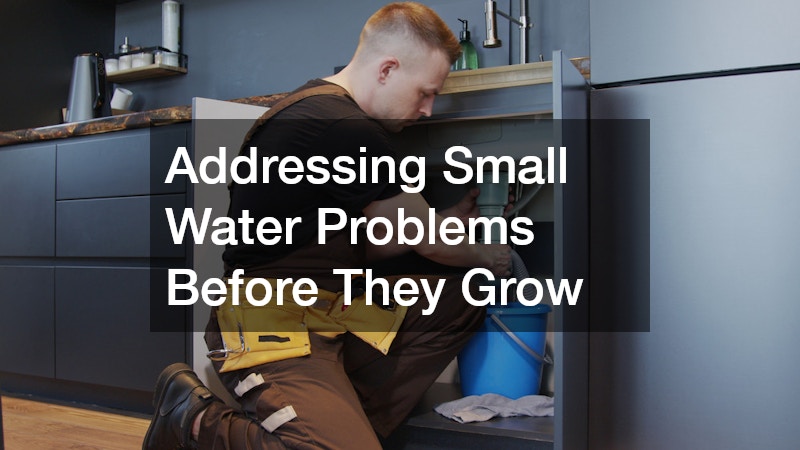
Water damage is one of the fastest ways to undermine property value. Even minor leaks can create hidden structural issues, mold growth, warped flooring, or damaged cabinetry over time. The problem is that many homeowners postpone repairs because the symptoms initially seem manageable.
A dripping faucet may feel harmless. A slow drain may seem like an inconvenience rather than a warning sign. But buyers and inspectors interpret these problems differently. They often assume visible plumbing issues indicate deeper maintenance neglect behind the walls.
This is why proactive maintenance matters so much. Hiring a plumbing repair service to address small issues early can prevent much larger expenses later. It also helps preserve buyer confidence during inspections.
Some of the most common warning signs include:
- Water stains under sinks
- Musty odors near bathrooms
- Fluctuating water pressure
- Slow-draining tubs or sinks
- Unexpected spikes in water bills
Many homeowners become accustomed to these problems gradually and stop recognizing them as serious concerns. Buyers, however, immediately associate water damage with expensive future repairs.
There is also an emotional side to plumbing maintenance. Buyers want reassurance. They want to feel confident that the home has been responsibly maintained over time. Even small upgrades like replacing aging fixtures, resealing showers, or updating visible plumbing hardware can strengthen that sense of confidence.
One homeowner preparing for a sale discovered a minor leak beneath the kitchen sink that had slowly damaged the cabinet flooring. Repairing the issue cost only a few hundred dollars early on. Had it remained unnoticed for another year, the damage likely would have spread into surrounding cabinetry and flooring, creating a far more expensive repair.
Homes that feel dry, clean, and well-maintained naturally appear more valuable because buyers associate them with fewer future headaches.
Turning Outdoor Spaces Into Everyday Living Areas
Outdoor living areas have evolved far beyond occasional entertaining spaces. Buyers increasingly view backyards as extensions of the home itself. A thoughtfully designed outdoor space can create emotional appeal that dramatically improves perceived value.
The most effective backyard upgrades are not always the most expensive. In fact, simplicity often works better than elaborate features that require constant maintenance. Buyers typically respond well to spaces that feel usable and flexible.
Comfortable seating areas, shade structures, pathway lighting, and organized landscaping all help transform a backyard into a functional living environment. The goal is to help visitors imagine themselves spending time there naturally.
Swimming pools can also become valuable assets when they feel modern and properly maintained. Experienced pool contractors often recommend improvements that prioritize usability and long-term durability rather than purely decorative upgrades.
For older pools, surface condition matters more than many homeowners realize. Cracked finishes, stains, and rough textures can make an otherwise attractive backyard feel dated. In these cases, pool replastering may dramatically improve the appearance and longevity of the pool without requiring a complete redesign.
Outdoor improvements do not need to happen all at once. A gradual approach often works better:
- Start with lighting and seating
- Improve landscaping next
- Add shade structures if needed
- Refresh hardscaping surfaces
- Upgrade recreational features over time
One reason these improvements perform so well financially is that they create emotional engagement. Buyers rarely calculate exact return-on-investment percentages while walking through a beautiful backyard at sunset. Instead, they imagine family gatherings, quiet evenings, or weekend relaxation. That emotional response can strongly influence purchasing decisions.
Eliminating Hidden Safety Concerns Early
Safety concerns can quietly reduce property value even when the home looks attractive on the surface. Modern buyers are increasingly aware of environmental hazards, indoor air quality issues, and long-term maintenance risks.
Older homes, in particular, may contain materials that require careful evaluation. Peeling paint, deteriorating surfaces, or outdated construction materials sometimes raise concerns during inspections. In these situations, professional lead removal may become necessary to improve safety and reassure potential buyers.
Environmental upgrades do not usually create dramatic visual transformations, but they can significantly improve buyer confidence. A clean inspection report often becomes one of the strongest selling points for a home.
Safety improvements also extend beyond environmental hazards. Homeowners should routinely inspect areas that are easy to overlook:
- Crawl spaces
- Basement corners
- Attic insulation
- Window seals
- Utility rooms
These areas often reveal early warning signs of moisture, deterioration, or pest activity.
One family preparing their older property for sale discovered damaged paint around several window frames. Testing revealed underlying contamination concerns that required professional treatment. Although the issue initially felt overwhelming, resolving it before listing the home ultimately strengthened buyer trust and prevented negotiation problems later.
The broader lesson is that hidden problems rarely stay hidden forever. Addressing them proactively allows homeowners to control costs, timing, and repair quality rather than reacting under pressure during the sale process.
Preventing Pest Issues From Escalating
Pest problems create an immediate emotional reaction for buyers. Even minor signs of infestation can quickly shift attention away from the positive features of a home. This is why prevention matters far more than emergency treatment.
Outdoor maintenance plays a major role in reducing pest activity. Overgrown landscaping, standing water, cluttered storage areas, and neglected sheds all create environments where insects and animals thrive. Many homeowners unintentionally create these conditions without realizing it.
Stinging insects are especially concerning because buyers often associate them with safety risks. Professional bee removal becomes important when nests appear near entryways, rooflines, garages, or outdoor gathering areas. Attempting removal without proper equipment can worsen the problem and increase danger.
The most effective prevention strategies are usually simple:
- Keep tree branches trimmed away from the roof
- Store firewood away from exterior walls
- Eliminate standing water
- Seal small exterior gaps
- Clean gutters regularly
Consistency matters more than perfection. A property that receives steady maintenance naturally becomes less attractive to pests over time.
There is also a psychological advantage to clean, organized outdoor areas. Buyers tend to interpret tidy spaces as evidence that the home has been responsibly maintained overall. Even small details like neatly stacked storage bins or clean patio furniture contribute to this impression.
Pest prevention may not sound glamorous compared to cosmetic renovations, but it often protects property value more effectively than decorative upgrades alone.
Enhancing Warmth and Gathering Spaces
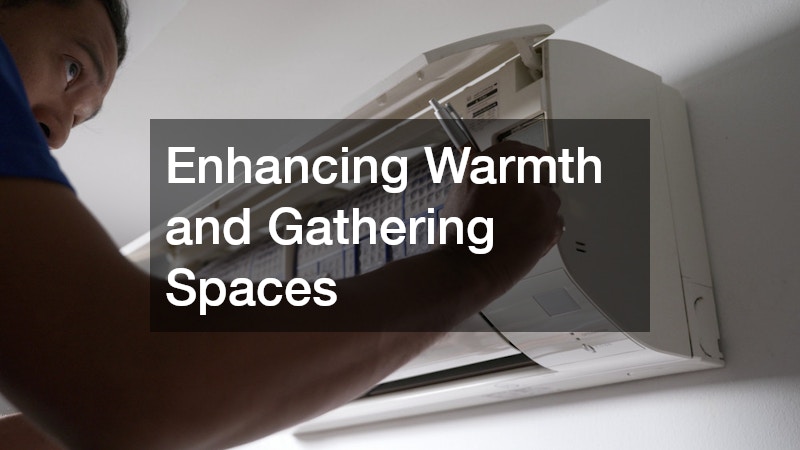
Some home upgrades succeed because they create emotional warmth rather than dramatic visual impact. Fireplaces, outdoor gathering areas, and seasonal entertaining spaces often fall into this category.
A clean, functional fireplace can make a home feel significantly more inviting during colder months. However, neglected fireplaces create the opposite impression. Soot buildup, damaged masonry, or ventilation issues raise concerns about safety and maintenance.
Scheduling a professional chimney sweep helps improve airflow while reducing fire risks associated with creosote accumulation. It also reassures buyers that the fireplace system has been properly maintained over time.
Outdoor fire features have also become increasingly popular in recent years. Simple seating areas built around a fire pit can extend backyard usability well into cooler seasons. Reliable firewood delivery services make these spaces more practical and convenient for homeowners who entertain regularly.
Interestingly, these upgrades often succeed because they encourage emotional imagination. Buyers picture conversations around a fire pit, family gatherings during cooler evenings, or quiet mornings beside a fireplace. These mental images create attachment to the property itself.
Unlike highly personalized design trends that quickly go out of style, warmth-oriented upgrades tend to remain broadly appealing across different buyer demographics.
For homeowners working within limited budgets, small atmospheric improvements can still make a noticeable difference:
- Add soft outdoor lighting
- Improve seating comfort
- Refresh fireplace surrounds
- Create conversation-friendly layouts
- Improve pathway visibility at night
The goal is not luxury. It is livability.
Building Long-Term Value Through Consistent Care
The homes that hold value most effectively are rarely the flashiest ones in the neighborhood. Instead, they are usually the homes that feel consistently maintained, comfortable, and easy to live in.
Natural value growth happens gradually. A homeowner who regularly addresses maintenance issues, improves efficiency, and keeps the property clean often builds stronger resale potential than someone chasing trend-driven renovations every few years.
Many of the most important upgrades are not dramatic at all. Better airflow, safer outdoor spaces, cleaner landscaping, reliable plumbing, and organized storage areas quietly shape how buyers experience a property. These details work together to create trust.
That trust matters because buying a home is both a financial and emotional decision. Buyers want to believe they are purchasing a property that has been cared for responsibly. They want fewer surprises, lower future maintenance costs, and spaces that feel welcoming from the moment they arrive.
The encouraging reality is that homeowners do not need enormous budgets to create these results. Thoughtful, practical improvements completed steadily over time often deliver the strongest long-term returns.