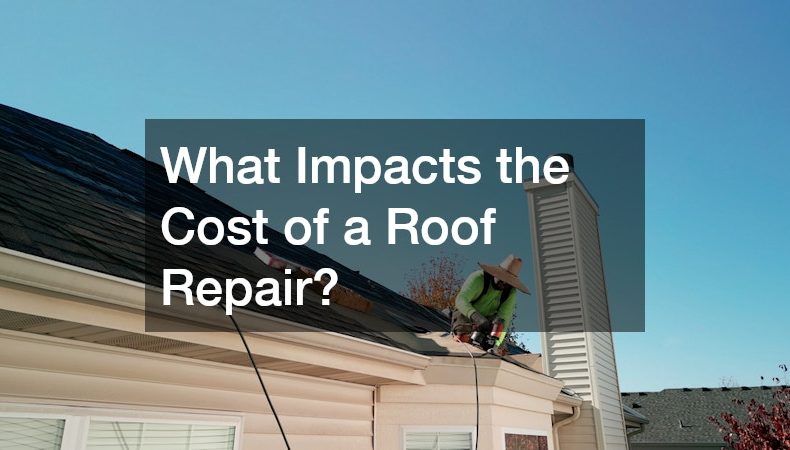
What Impacts the Cost of a Roof Repair?
This article explores the various factors that can impact the cost of repairing a roof. Whether you’re dealing with leaks, damage from a storm, or general wear and tear, understanding these factors can help you better plan for roof repair expenses. Roof systems are a crucial part of any home, providing structural support and weatherproofing capabilities. However, repairing roof systems can be an intricate and costly endeavor if not approached with the right knowledge.
By learning more about the costs associated with roof repairs, homeowners can make informed choices and avoid unexpected financial burdens.
1. How Does the Type of Roofing Material Affect Repair Costs?
The type of roofing material you have is one of the primary factors influencing repair costs. Asphalt shingles, for instance, are one of the most affordable options available, but they may not have the same longevity as metal or tile roofing systems. Consequently, while initial repair costs might be lower, frequent repairs or replacements could negate any initial savings. On the other hand, metal roofs, although more expensive upfront, are highly durable and could lead to cost savings over the roof’s life due to reduced repair frequency. While assessing repair costs, it is crucial to factor in both the short-term and long-term financial implications of the material choice.
Durability and longevity are essential considerations when selecting roofing materials because they directly impact repair frequency and associated costs. For example, clay tiles are known for their long lifespan and resilience against weather elements but require specialized installation, which can be more expensive. Slate roofs offer similar durability benefits and a distinctive appearance but can be prohibitively costly for initial installation and repair. The durability of materials like metal and slate often translates into fewer large-scale repairs over time, which should be weighed against the upfront expenditure. Homeowners must consider how each material’s life expectancy applies to their specific climate and environment.
Market availability of roofing materials can cause fluctuations in cost, especially if a particular material becomes scarce. During such times, the price of replacing or repairing roofs made from these materials can skyrocket, impacting your budget considerably. Alternative materials that are easily available may not match the aesthetics or quality of your existing roof but can sometimes offer a more cost-effective solution. Repairing roofs with rare or imported materials often entails higher logistics and sourcing costs, further increasing the total repair bill. Ultimately, balancing quality with availability is key to managing roofing repair costs effectively.
2. What Role Does the Extent of Damage Play in Cost?
The extent of damage to your roof is a primary driver of repair costs. Minor issues, such as replacing a few shingles blown away by the wind, often entail minimal expenses. However, even minor repairs can lead to higher costs if left untreated, as they may cause underlying problems such as water damage or mold growth. Major damage, like that caused by severe weather or fallen trees, typically demands extensive repairs and sometimes even full roof replacements. Understanding the importance of timely intervention can save homeowners significant expenses associated with roof damage escalation.
In the case of significant roof damage, repair costs can vary dramatically based on the necessary structural repairs’ complexity. Structural issues typically require professional assessments, which can add inspection costs to your budget. These professionals must evaluate support beams, trusses, and other hidden elements that could be compromised. Such repairs often involve higher workmanship costs due to time and labor-intensive tasks, which further inflate expenses. For homeowners facing structural damage, having a clear idea of repair scope and a reliable contractor’s input is crucial to managing costs.
Hidden damages within roof systems can escape immediate detection, yet they substantially impact repair costs. Leaks, for example, might not be noticeable until water stains appear on ceilings or walls, indicating internal roof problems. The longer these issues persist undetected, the more extensive and costly the subsequent repairs become. Routine maintenance and inspections are preventative measures that can uncover these hidden damages early. Regular check-ups by professionals are an investment, helping avoid large repair bills from unnoticed issues that develop over time.
3. How Does the Roof’s Size Influence Repair Expenses?
Roof size is a crucial factor in determining the cost per square foot for repairs. Larger roofs naturally require more materials, which increases the cost along with expanded labor efforts for installation or repair. As the surface area grows, so does the complexity of handling extensive sections of materials, impacting time and costs involved. Homeowners may find economies of scale with large-scale projects, reducing expenses compared to smaller, piecemeal repairs. Evaluating the cost implications through a per-square-foot analysis provides a clearer picture of potential expenses relative to roof size.
Calculating your total roof area helps accurately estimate repair costs, as supply quantities are determined based on size. Precise measurement ensures appropriate material ordering, preventing undersupply or excess waste. Roofing measurement tools or professional services can help accurately determine these dimensions, aiding in obtaining accurate repair quotes. Material suppliers often provide bulk discounts for larger orders, which can offer some savings. However, overlooking roof size calculations can lead to significant budget overshoots due to potential recalculations and material reordering.
Labor costs associated with larger roofs are driven by the increased manpower and time required to complete extensive repairs. A large roof often involves more team members working longer shifts or additional days on the project. Complexity in managing large-scale repairs, such as scaffolding and transportation logistics, demands extra management resources, adding further to expenses. Nevertheless, larger projects can benefit from task efficiencies and contractor expertise, potentially reducing the time required for individual tasks. Awareness of these dynamics enables homeowners to adequately prepare financially and select the right contractor team.
4. What Are the Effects of Roof Slope and Design on Cost?
The roof’s pitch is a significant factor influencing repair costs, as steep slopes pose more challenging working conditions. Roofs with higher pitches often require special safety equipment and additional labor due to increased risk during repairs. The complexity introduced by slope impacts the repair process, necessitating meticulous handling of materials and installation techniques. This not only increases time but also labor costs, as specialized skills are often required to handle the intricacies presented by steep roofs. Therefore, a thorough assessment of your roof’s pitch when considering repair costs is necessary for accurate financial planning.
Roof design poses additional challenges, with complex architectural elements driving up repair costs. Intricate designs featuring multiple angles, valleys, or unusual shapes require more precise planning and execution by skilled workers. Such complexity increases labor time and may require additional bespoke materials, which can have significantly higher costs due to customization requirements. Less accessible roof structures can also result in increased safety and logistical setups, adding to the overall cost of repairs. By understanding the role of design in repair costs, homeowners can better negotiate competitive rates with contractors who understand their unique roof design.
Labor specialization is paramount for roofs with unique designs or high slopes, demanding skilled workmanship to tackle associated challenges. Using specialists can be more expensive due to their expertise and ability to handle complex aspects of the repair. However, this expense is often justified by higher quality results, which reduce the need for further rectifications or ongoing maintenance. Hiring specialists becomes a cost-saving investment in the long term, as they tend to complete jobs more efficiently with superior craftsmanship. Therefore, evaluating labor needs against your roof’s design intricacies is critical to selecting the right repair strategy.
5. How Do Seasonal Factors Impact Roof Repair Pricing?
Seasonal timing can heavily impact the cost of roof repairs, with prices fluctuating based on the weather and demand. For instance, during winter months, roofing work is less common, potentially leading to off-peak discounts from contractors looking to fill their schedules. However, adverse weather conditions like snow or rain can delay projects, impacting completion timelines and increasing costs associated with extended labor. The summer season may see higher demand and pricing due to the ideal weather for roofing, leading to increased competition for contractor availability. Understanding seasonal pricing trends helps avoid peak charges and schedule repairs during more economical periods.
Weather variations directly affect roof repair logistics, with costs adapting to accommodate adverse conditions. In regions prone to frequent storms or heavy snowfall, contractors might charge more to account for the additional time and equipment required to ensure safety during repairs. Rainwater can delay work or cause additional cleaning and set-up requirements, elevating labor costs. Homeowners might also face storage fees for materials when weather prohibits immediate installation. Being aware of weather impact ensures preparedness for potential budget changes in response to uncontrollable climate factors.
Contractor availability shifts throughout the year, causing fluctuations in pricing and scheduling. High-demand seasons can limit contractors, forcing delays and potential urgency fees for expedited service. Strategically scheduling repairs during less busy periods can make contractors more willing to negotiate costs or offer discounts to secure work. Additionally, engaging a contractor during off-peak times can lead to more attentive service, as they are not as stretched across multiple projects. Understanding how contractor demand aligns with seasonal patterns helps in finding timely and cost-effective repair solutions.
Understanding the various factors that affect the cost of roof repairs can help homeowners plan and budget effectively. By considering the type of material, extent of damage, size of the roof, design complexity, and seasonal factors, you can make more informed decisions and potentially save money in the long run. Staying ahead of repair needs through regular inspections and maintenance averts larger, more costly problems. Planning repairs during strategic periods, while selecting appropriate and durable materials, optimizes both expense management and roof longevity. Informed decisions based on these insights ensure financial readiness and sustained rooftop health.