
How to Cut Home Maintenance Costs Without Sacrificing Quality
Every homeowner eventually confronts the silent, ongoing tax on property ownership known as routine maintenance. When you first receive the keys, it is easy to view a home through the lens of potential—the warm living room, the backyard tailored for summer evenings, the quiet sanctuary of a private space. Yet, as the seasons cycle, the physical reality of shelter asserts itself. Roofs age under blistering sunlight, moisture creeps into foundation walls, mechanical components wear down, and climate control systems labor against changing temperatures.
Faced with rising labor costs and expensive service calls, many homeowners adopt a strategy of deferred care. They ignore minor squeaks, delay seasonal checkups, and wait until a catastrophic failure forces their hand. This reactive approach creates a financial trap. Emergency service calls almost always cost significantly more than planned maintenance, and secondary damage—such as water rotting structural timber or blown motors ruining entire heating units—drives overall expenses through the roof.
The alternative is not spending lavishly on every minor detail, but rather adopting a disciplined, tactical approach to property upkeep. Cutting maintenance costs without sacrificing the quality or longevity of your home requires shifting your mindset from reactive repairs to strategic preservation. By understanding how your home’s systems operate, recognizing early warning signs, and timing professional interventions wisely, you can protect your equity while maintaining a safe, comfortable, and efficient living space.
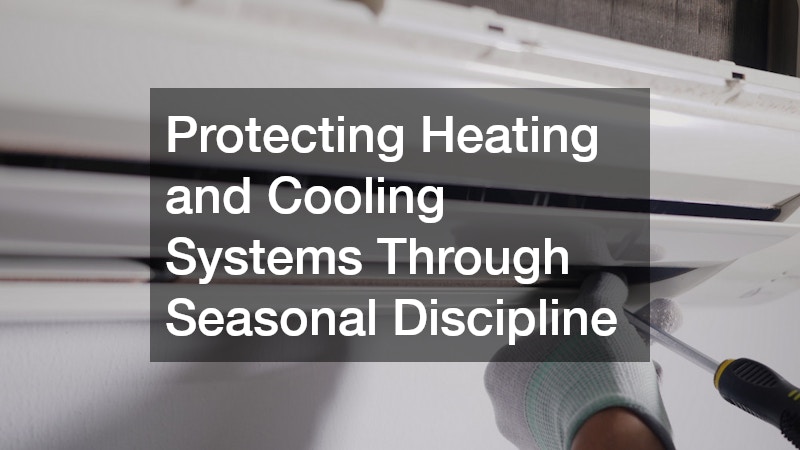
Protecting Heating and Cooling Systems Through Seasonal Discipline
Establishing an Internal Air Quality Routine
HVAC systems are often the single largest driver of both routine energy bills and sudden repair costs. A furnace or cooling unit forced to struggle against clogged filters and restricted airflow will consume excessive power and experience premature failure. To avoid expensive emergency calls, develop a strict home replacement calendar. Inspect filters monthly, particularly during peak summer and winter months, and swap them out every 30 to 90 days depending on whether you have pets or allergies. This simple step keeps system static pressure within safe operational limits, preventing strain on delicate blower motors.
Managing High-Demand Seasonal Transitions
When extreme weather arrives, your home’s mechanical systems operate at peak capacity for months on end. If minor wear is left unaddressed, summer heat waves will inevitably trigger an urgent request for AC repair, often at premium weekend rates when technicians are overwhelmed with calls. To mitigate this risk, conduct visual checks on your outdoor condenser units long before the warm weather hits. Clear away leaves, grass clippings, and encroaching vegetation to ensure proper heat discharge. Similarly, as autumn approaches, test your heating infrastructure early. Igniting the system in early October allows you to catch draft problems, faulty igniters, or pressure switch failures early, ensuring you have time to arrange professional boiler repair service before the first freeze forces an emergency call out.
The Financial Advantage of Off-Peak Scheduling
Technician availability shifts dramatically depending on the season. During the hottest weeks of July or the coldest stretches of January, repair companies experience massive call volumes, forcing them to prioritize total system outages over routine adjustments. By booking routine system checkups during transitional seasons like mid-spring or early autumn, you often secure lower promotional rates and enjoy more thorough, unhurried service from experienced technicians.
Enhancing Indoor Air Quality and Airflow Dynamics

Uncovering Hidden Duct Leakage
Even a high-efficiency furnace or heat pump cannot perform correctly if the pathways distributing air throughout your house are compromised. Over time, physical shifts in the building frame, temperature fluctuations, and degraded original tape can cause duct joints to separate, leaking conditioned air into unconditioned basements, crawlspaces, or attics. To fix this, visually inspect all exposed metal ductwork. Instead of standard cloth duct tape, which deteriorates rapidly under temperature swings, seal every visible seam with heavy-duty foil tape or brush-on mastic sealant. Sealing these gaps ensures that the energy you pay for actually reaches your living spaces.
Optimizing System Efficiency and Professional Care
Beyond sealing joints, maintaining clean internal airways is vital for both system longevity and family health. Dust, pet dander, and construction debris gradually accumulate along vent walls, restricting total volume output and forcing fan engines to work significantly harder. Every few months, vacuum out the main return vents and floor registers using a narrow nozzle attachment. When performance drops or visible debris begins blowing into rooms, contracting qualified air duct cleaning services removes deep-seated blockages and restores proper static pressure. For broader system modernizations, working with a reputable air conditioning company ensures that your duct system matches the precise tonnage of your equipment, eliminating hot and cold spots throughout the house.
Regulating Humidity to Balance Temperature Control
Indoor air quality involves more than just dust control; managing moisture levels directly impacts comfort and equipment strain. High humidity makes warm air feel significantly hotter in summer, tempting homeowners to drop the thermostat setting and overwork the compressor. Using a dedicated dehumidifier in damp basements lowers ambient humidity, allowing the primary unit to cool living spaces far more efficiently without excessive cycle times.
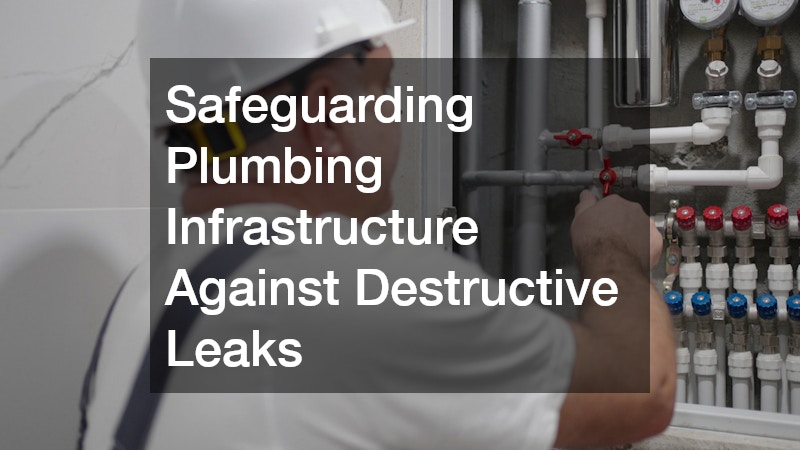
Safeguarding Plumbing Infrastructure Against Destructive Leaks
Step-by-Step Quarterly Moisture Audits
- Begin in the kitchen by clearing out cabinet space beneath the sink. Take a dry paper towel and run it along the hot and cold water supply lines, shutoff valves, and the drain trap assemblies. Look for subtle dampness or greenish copper corrosion, which signals minor, slow leaks.
- Move to every bathroom and inspect behind the toilets. Verify that the shutoff valve packing nut is dry and that the flexible supply line shows no signs of fraying or stiffness. Inspect the base of the toilet for soft flooring, which indicates a failing wax ring.
- Inspect utility spaces, focusing on water heater tanks and washing machine hoses. Touch the brass drain valve at the base of the hot water tank to confirm it is not weeping. Check that rubber washing machine hoses are free of bulges, cracks, or surface bubbles.
Managing System Pressure and Emergency Interventions
Water damage remains one of the most expensive hazards a property owner can face, often because small leaks operate undetected behind drywall or beneath subflooring. An vital tool in your preventative arsenal is a basic water pressure gauge, available for cheap at any local hardware store. Thread the gauge onto an exterior hose spigot and turn on the tap. If your home’s water pressure exceeds 80 pounds per square inch, your plumbing fixtures, solenoid valves, and supply lines are under dangerous stress. Installing or adjusting a pressure-reducing valve dampens this internal stress, preventing sudden line bursts. When a pipe does fail, trying to fix a major line burst without the proper trade tools can turn a minor fix into an absolute nightmare. Knowing when to call a licensed plumber ensures that emergency line freezing, main line clearings, or copper sweat welds are completed up to local code. Ultimately, investing in professional plumbing repair early saves thousands of dollars in secondary structural repairs, mold remediation, and floor replacement.
Preventing Winter Freeze-Up Disasters
Winter plumbing emergencies are almost entirely preventable with basic autumn preparation. Disconnect all garden hoses before the first hard freeze to allow outdoor spigots to drain completely, preventing trapped water from freezing, expanding, and splitting the pipe inside the wall. Insulating exposed copper pipes in unheated crawlspaces, basements, or exterior walls using foam pipe sleeves adds an essential thermal buffer that protects your home during sudden temperature plummets.
Maintaining Driveways, Patios, and Outdoor Structural Stonework

The Mechanics of Freeze-Thaw Surface Destruction
Hard surfaces like concrete, brick pavers, and hot-mix asphalt undergo extreme physical stress throughout the year. The primary driver of outdoor structural failure is water infiltration coupled with freeze-thaw cycles. First, rain or melting snow creeps into tiny micro-cracks in the driveway or patio surface. Next, as autumn shifts to winter, temperatures drop below freezing, causing the trapped water to expand by roughly nine percent. This internal expansion exerts immense hydraulic pressure against the surrounding aggregate. Over a few recurring seasons, this steady expansion breaks down the material’s internal bonds, expanding tiny surface hairline fractures into deep potholes, buckled slabs, and collapsing retaining walls.
Preserving Outdoor Surfaces Through Proactive Sealing
Preventing rapid exterior degradation requires consistent surface maintenance and effective water management. Inspect your driveway every autumn, cleaning out dirt from open cracks and applying a hot-pour or rubberized cold-pour asphalt sealant to block moisture penetration. If your driveway needs deep structural restoration or complete resurfacing, consulting an experienced asphalt contractor ensures proper base compaction and slope angles, allowing surface water to drain away naturally. Similarly, stone patios, walkways, and retaining walls need ongoing care. Re-sanding joint gaps with polymeric sand locks stone elements together and suppresses weed growth, while applying a breathable siloxane sealer shields stone surfaces from salt damage and UV degradation. For complex drainage issues or crumbling structural masonry, bringing in a specialist skilled in custom hardscape design ensures your outdoor living areas remain solid, beautiful, and functional for decades.
Managing Roof Runoff to Protect Ground Structures
Proper water management extended beyond surface treatments; it begins overhead at the roof line. Clogged gutters overflow directly onto driveways, walkways, and stone steps, accelerating surface erosion and washing out the sub-base material holding your paving elements level. Ensuring gutters are cleared twice annually and fitting downspouts with extension tubes directs massive volumes of rainwater away from hard surfaces and foundation walls, extending the lifespan of your exterior stonework.
Balancing Lawn Care Efficiency and Overhead Mechanical Safety
Evaluating Lawn Upkeep and Mechanical Systems
Picture a bright Saturday morning in late spring. Sunlight pours across the front yard, highlighting the crisp, dark edge between the lawn and the flower beds. A neighbor spent thousands of dollars last year on turn-key property care packages, yet their lawn looks identical to yours—because you focused on proper mowing heights, deep morning watering, and timely organic soil enrichment rather than paying for endless chemical applications. Maintaining curb appeal without overspending relies on working alongside nature rather than over-servicing your yard.
However, as you finish working on the lawn and pull into the driveway, you hit the remote button for the garage. The heavy overhead door stutters, shrieks, and jumps sideways in its metal tracks. It is tempting to grab a wrench and start loosening bolts on the overhead cable system to fix the tilt yourself. But this is the exact moment where trying to save a buck turns dangerous.
Recognizing Mechanical Limits and Safety Boundaries
Safety Warning: Torsion springs operate under extreme mechanical tension. Attempting DIY adjustments using standard hand tools can result in sudden kinetic release, causing severe injury or structural damage. Always hire a qualified technician for high-tension repairs.
While routine outdoor work like planting, weeding, and mulching can be handled personally or outsourced to local landscape installers during off-peak times, high-tension mechanical systems require clear boundaries. Torsion springs store enough kinetic energy to snap metal, shatter concrete, or inflict severe bodily injury if released incorrectly. Basic mechanical maintenance—like lubricating track rollers and cleaning photo-eye sensors—is safe for homeowners. But when a main spring fails or a lift cable frays, hiring a professional for garage door spring repair is a necessary safety investment. Strategic home care isn’t about doing every job yourself; it’s about knowing where your expertise ends and where specialized professional tools are required.
Building an Effective Tool Kit for Daily Maintenance
A significant part of knowing your limits involves equipping yourself with the right basic tools for non-hazardous tasks. Keeping a well-stocked household toolkit—containing a reliable digital multimeter, cordless drill, torpedo level, silicone lubricants, and adjustable wrenches—enables you to tighten loose cabinet hardware, test household battery circuits, or replace worn door weatherstripping in minutes. Handling these micro-repairs instantly prevents small annoyances from evolving into larger structural fixes.
Long-Term Value Through Informed Property Stewardship
Achieving long-term savings on home maintenance does not require you to become an expert in every trade, nor does it ask you to tolerate a run-down property. Real economy comes from adopting a proactive, structured approach to home care. When you take the time to understand the basic mechanics of your house, perform simple routine checks, and address small issues before they escalate, you retain full control over your budget.
Every dollar spent on proactive maintenance saves multiples down the road in avoided emergency call-out fees, structural remediation, and premature equipment replacement. Create a master maintenance schedule tailored to your property, divide tasks logically by season, and build relationships with reliable, qualified local tradespeople before an emergency strikes. By combining consistent DIY care with timely professional expertise, you protect both your daily living experience and your long-term financial stability.